Key Context
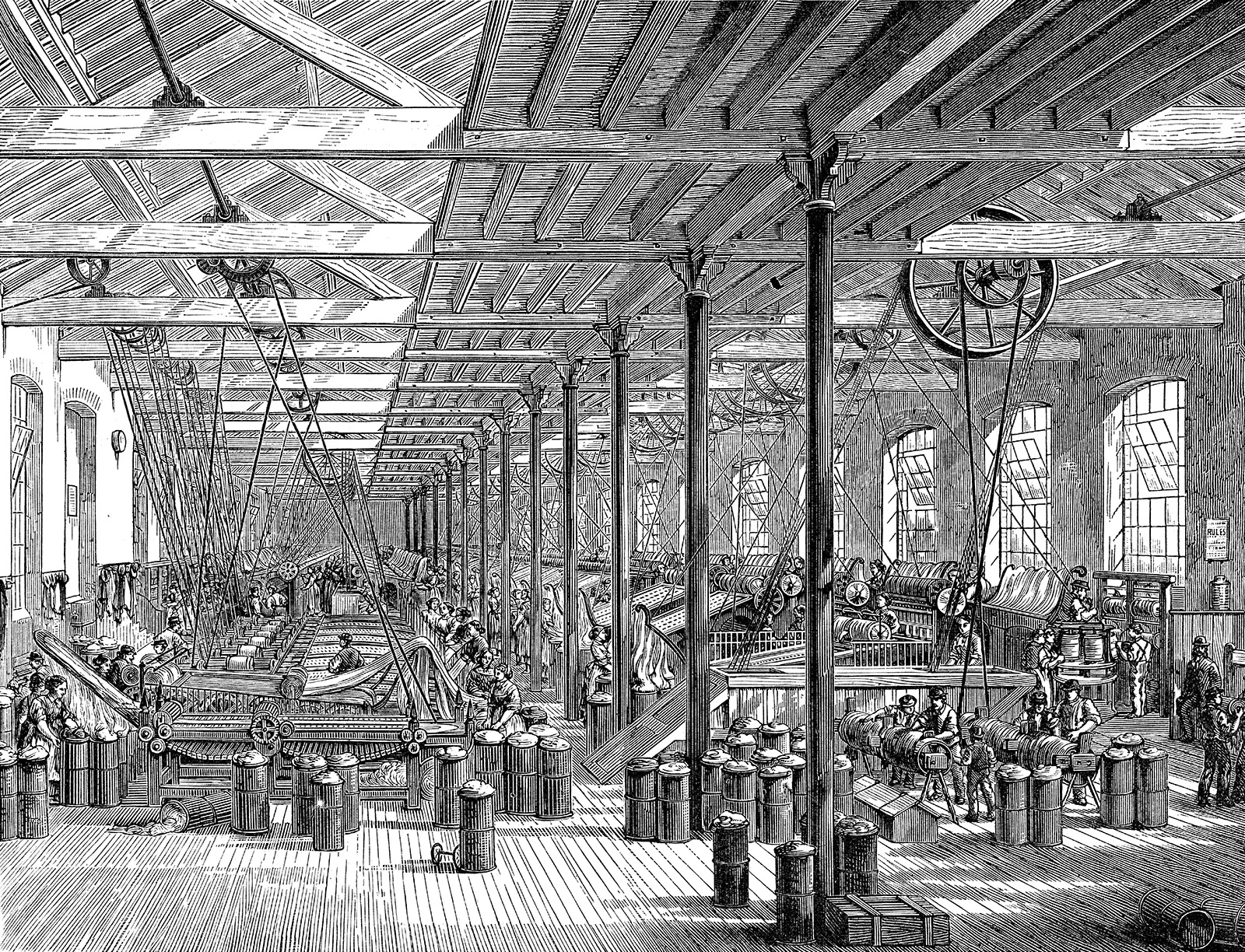
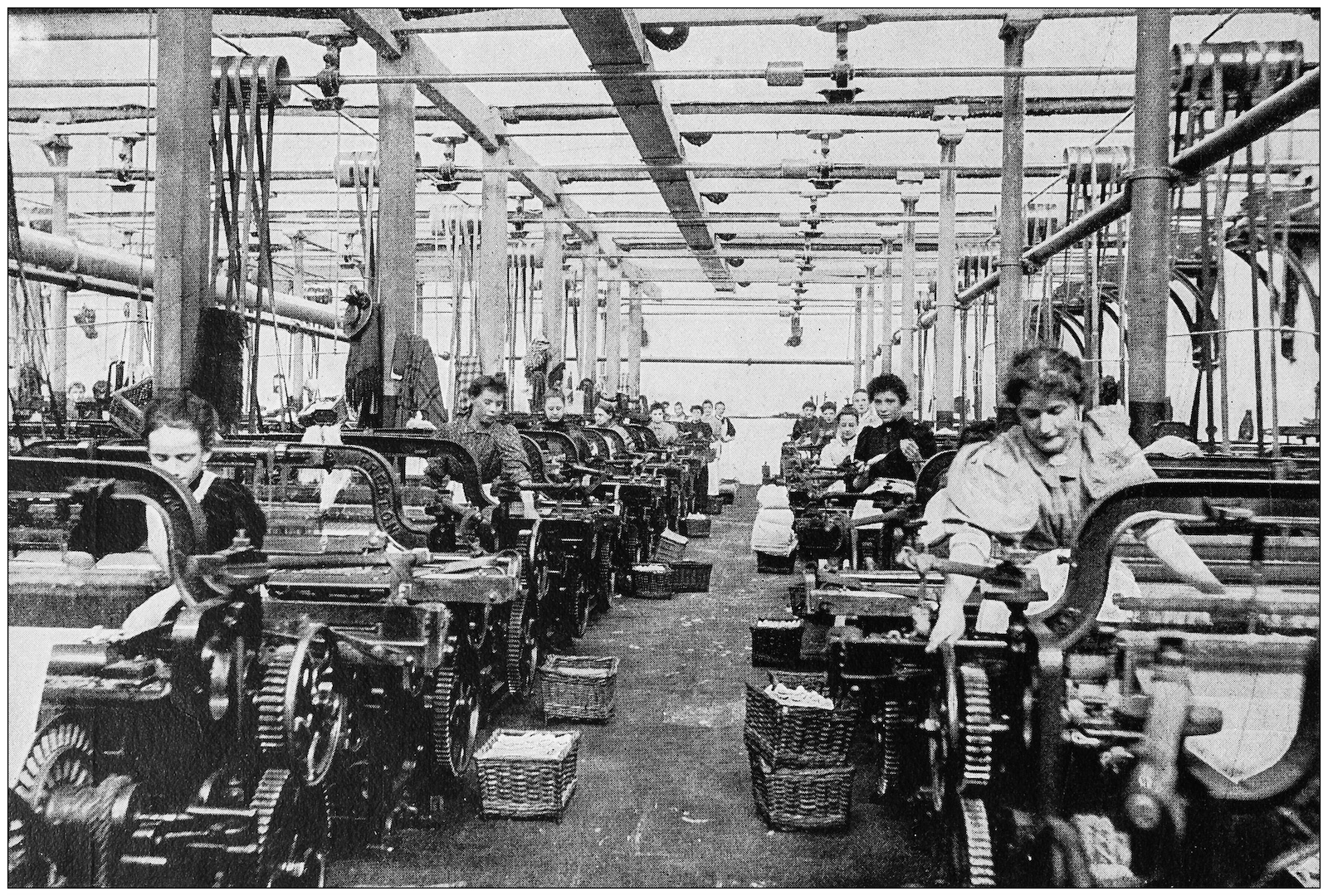
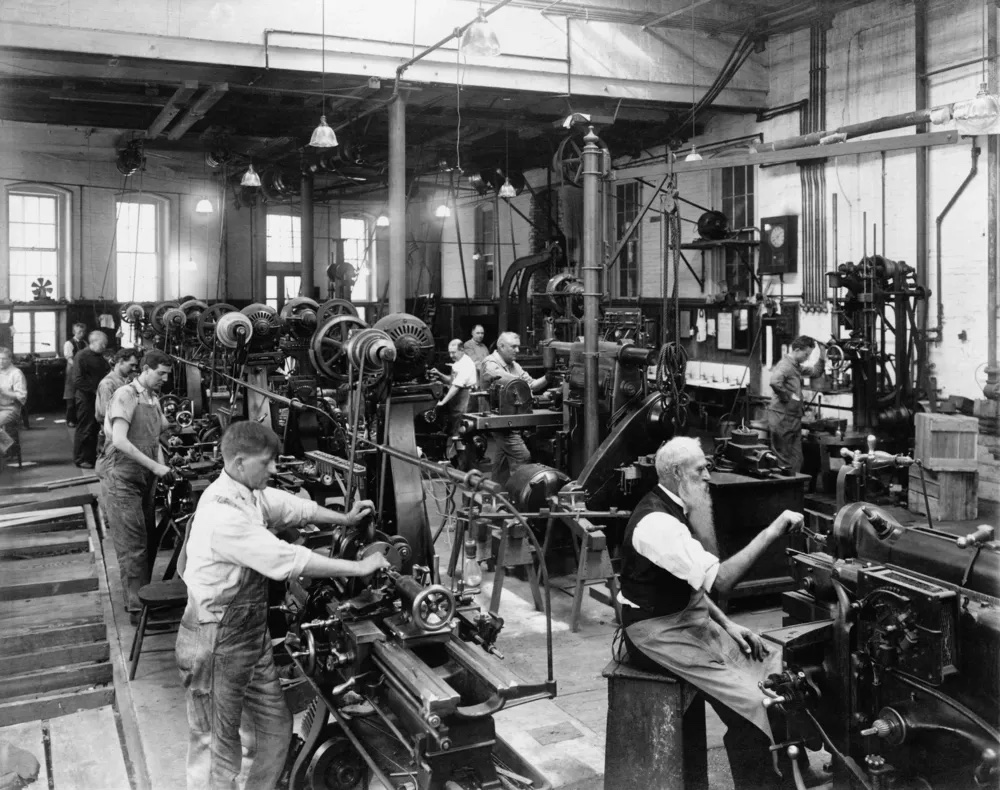
Each of these revolutions had a profound impact on the world. They have led to increased productivity, economic growth, and improved living standards for many people. However, they have also contributed to inequality, pollution, and climate change.
May The Fourth Be With You
We now stand solidly in what Klaus Schwab, executive chairman of the World Economic Forum (WEF) identified as the Fourth Industrial Revolution. It is characterized by the convergence of digital, physical, and biological technologies including robotics, artificial intelligence, the Internet of Things (IoT), and 3D printing. Optimally, this phase will improve quality of life, reduce inequality, and raise income levels.
Will A.I. Take Your Job? The Truth Is Complex.
According to the WEF, the 3rd industrial revolution created 1.3 billion jobs globally between 1950 and 2016. The factory system created jobs for machine operators and assembly line workers and some of those who were displaced had the opportunity to re-skill or train in other roles. A 2018 study by the Brookings Institution found a mixed impact on employment. Between 1977 and 2013, 1.7 million jobs were created in the United States and 1.9 million jobs were obviated.
Human Enhancement (Not Human Replacement)
There are many predictable manifestations of how a human might enhance their own efficiency or output – a developer being supported by AI in creating code, product designers generating concepts and prototypes, Customer Service Representatives (CSRs) utilizing the technology to answer questions, resolve issues, and provide personalized support. But what lies beyond the everyday? Imagine:
Human Enhancement
The real power of A.I. is not in replacing human effort, but in removing the friction between our ideas and their execution.
- Combining facial recognition and sentiment analysis to facilitate emotional personalization that adapts content according to mood?
- Leveraging machine learning, advanced analytics, and historical data to anticipate mechanical failure in industrial apparatuses, truly realizing the long-promised predictive maintenance?
- Using AI in conjunction with 3D printing to create new, innovative mechanisms that change forever how we look at a basic tool?
- A filmmaker uses genAI to create a pitch trailer for a potential movie that shows the central narrative and how certain actors might be cast (“It's ‘A Beautiful Mind' meets ‘Little Mermaid' meets ‘Fight Club!”) or an actor who can rehearse their lines without human support?
With some exploration, it becomes very clear that employing the tools artificial intelligence facilitates will augment workers' efficiency and allow for more time to be committed to excelling in those areas where humanity best performs:
- Creativity: Humans excel at original thought and the ability to conceptualize new ideas. While AI can produce creative work by combining existing ideas in novel ways, the inception of truly original concepts, art, and innovation are uniquely human traits.
- Empathy: Fundamentally, empathy is deeply rooted in human experience and emotional intelligence. AI can, at best, approximate empathy and genuine emotional depth.
- Social Skills: As with empathy, fostering interpersonal relationships and navigating complex social nuances exist beyond the boundaries of artificial intelligence as both require intuition and emotional intelligence.
- Critical Thinking: Reflection, reasoning, and drawing connections between ideas are all part of critical thinking. A.I. may be able to process data and provide invites based on patterns and statistical analysis, it is, as yet, incapable of considering ethical implications or engaging in abstract thought.
Artificial intelligence has the potential to help us reevaluate how we want to live and how best to do business. It may help us shift towards a more equitable distribution of power in society and a holistic reckoning as to the advantages and disadvantages of our current social structure.
Me, Myself, And A.I.
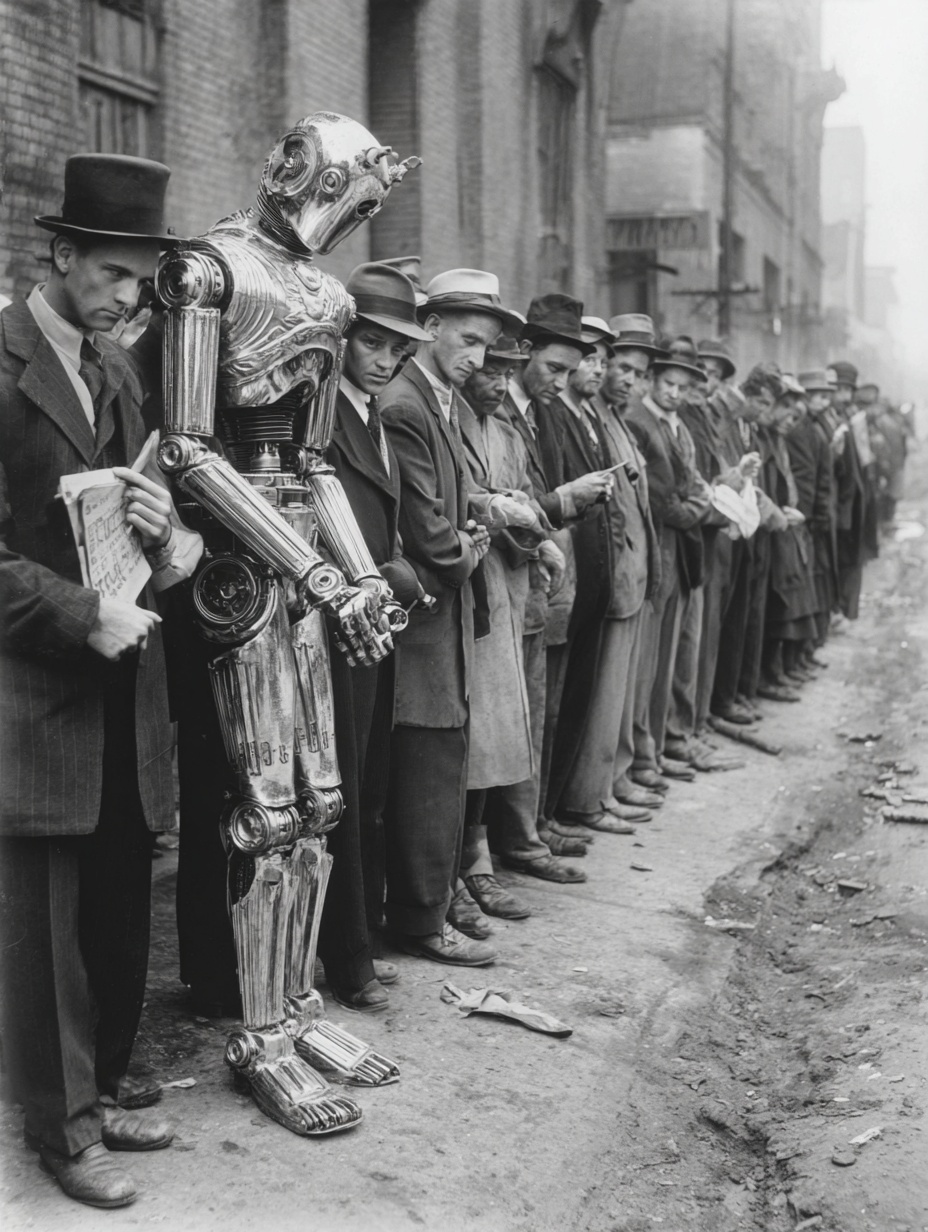
But what about the [X] employees recently displaced at [Y Corp]? History may be cold comfort to those already impacted by the newest wave of technology. Still, the impact of technologies on jobs is expected to be net positive over the next five years according to the WEF. Big data analytics, climate change and environmental management technologies, encryption, and cybersecurity can expect to be amongst the biggest drivers of job growth. Only humanoid and non-humanoid robots may be deleterious.
Me, Myself, and A.I.
Your job has always been at risk from someone better, stronger, and faster; A.I. simply makes it easier for that person to lap you if you stand still.
So, does that mean there's nothing to fear? Of course not. There's always plenty to fear— but, as is often the case, the things to fear aren't the same as what the zeitgeist tells you. Don't forget, your job was already threatened by someone better, stronger, and faster. You need to take the appropriate steps in your job to demonstrate immediate value: volunteer for additional duties and keep an eye out for technologies that could give you the edge over these shadowy interlopers. Do more and do it with excellence. Our society might not be strictly a meritocracy, but employers tend to respect drive, determination, decisiveness, and diligence. Who cares if the things you need to fear aren't all carbon-based?
If artificial intelligence is not going to directly put me out of a job, what can I do to stay relevant? Staying relevant in the face of rapidly evolving A.I. technology involves continuous learning, adaptability, and a strategic approach to leveraging A.I. to enhance your skills and contributions. That doesn't mean that you need to start a new career as a data scientist. Instead, learn how to harness the power of A.I. within your role/function and ask yourself these questions
- What A.I. Technologies Are Emerging In My Field?
- How Can I Foster A Mindset Of Continuous Learning?
- How Can A.I. Empower My Personal And Professional Development?
By regularly evaluating these questions and taking proactive steps as a response, you can position yourself to thrive in an A.I.-driven future. Will that ameliorate all your concerns or make you feel a new sense of stability in your job? Doubtful. Still, your peers in the employment marketplace may already be finding ways to enhance their output with technology. You must be smarter than your competition and will find the most success through education and empowerment. Then you have only to adopt a posture of cunning— which is still something the machines can't emulate.
Yet.